Custom 3D Printing Options: Tailored to Your Needs
- Adam Marsh
- 2 days ago
- 4 min read
When I first discovered custom 3D printing, I was amazed by how it could turn almost any idea into a real, tangible object. Whether you want a unique gift, a prototype for your business, or a one-of-a-kind tool, custom 3D printing options open up a world of possibilities. It’s like having a magic wand that shapes your imagination into reality.
Let’s dive into how custom 3D printing works, what options you have, and how you can make the most of this incredible technology.
Exploring Custom 3D Printing Options
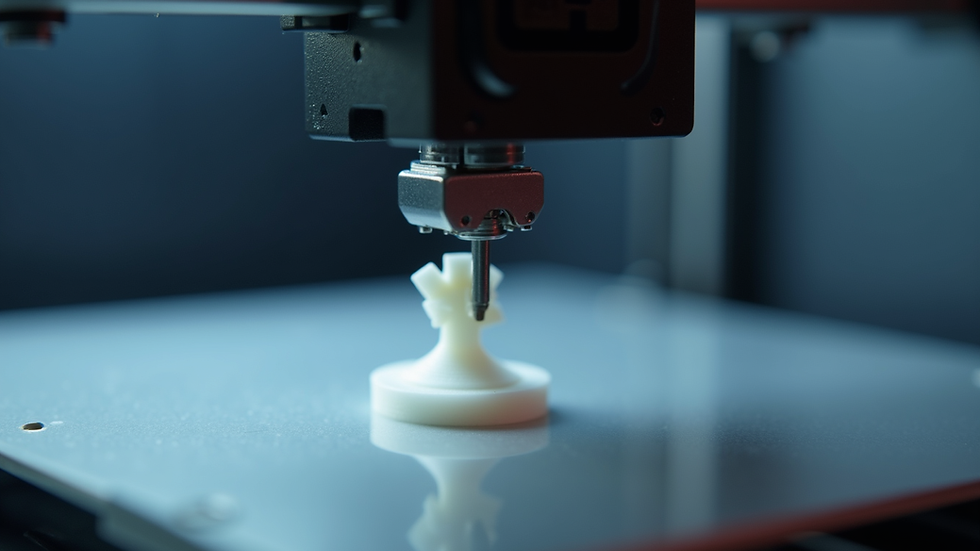
Custom 3D printing is all about creating objects layer by layer from digital designs. The beauty lies in its flexibility. You can print almost anything, from tiny jewelry pieces to large mechanical parts. The key is choosing the right options to fit your needs.
Here are some popular custom 3D printing options you should know about:
Material Choices: Plastics like PLA and ABS are common, but you can also print with metals, resins, and even flexible materials. Each material has its own strength, texture, and finish.
Printing Technology: FDM (Fused Deposition Modeling) is great for quick, affordable prints. SLA (Stereolithography) offers high detail with resin. SLS (Selective Laser Sintering) uses powder for strong, complex parts.
Color and Finish: You can print in a single color or multiple colors. Post-processing options like sanding, painting, or polishing can give your item a professional look.
Size and Resolution: Depending on your printer, you can create small, intricate designs or larger, functional parts. Resolution affects the smoothness and detail of the final product.
Choosing the right combination depends on what you want to create. For example, a custom phone case might use flexible plastic with vibrant colors, while a prototype gear might need strong nylon printed with SLS.

How to Design for Custom 3D Printing
Designing for 3D printing is easier than you might think. You don’t need to be a professional designer to get started. Many free and paid software tools let you create or modify 3D models. Here’s how to approach it:
Start with a Clear Idea: Sketch your design on paper or use simple shapes in software.
Use 3D Modeling Software: Programs like Tinkercad, Fusion 360, or Blender are popular. They let you build your model layer by layer.
Check for Printability: Make sure your design has no holes, thin walls, or unsupported parts that could cause printing issues.
Export the File: Save your design as an STL or OBJ file, the standard formats for 3D printing.
Consult with Your Printer: If you’re using a service, they can help optimize your design for the best results.
If you’re not confident in your design skills, many custom 3D printing services offer design assistance. They can tweak your files or even create a design from scratch based on your ideas.
Benefits of Using Custom 3D Printing Services
One of the best ways to get your ideas printed is by using custom 3d printing services. These services handle everything from design review to printing and finishing. Here’s why I recommend them:
Access to Professional Equipment: You get high-quality prints without investing in expensive machines.
Material Variety: They offer a wider range of materials than most home printers.
Expert Guidance: Professionals can help you choose the best options for your project.
Time Savings: They handle the technical details, so you get your item faster.
Scalability: Whether you need one item or a hundred, they can accommodate your order.
Using a service is especially helpful for small businesses or hobbyists who want to focus on their ideas, not the technical side of printing.

Practical Tips for Getting the Best Results
To make sure your custom 3D printed item turns out just right, keep these tips in mind:
Be Clear About Your Purpose: Is your item decorative, functional, or a prototype? This affects material and finish choices.
Communicate with Your Printer: Share your expectations and ask questions about materials, colors, and turnaround times.
Test Small First: If your design is complex, print a small version to check details before committing to a full-size print.
Consider Post-Processing: Some prints need sanding, painting, or assembly. Plan for this in your timeline.
Budget Wisely: Custom prints can vary in cost. More detail, larger size, and premium materials usually cost more.
By following these steps, you’ll avoid common pitfalls and get a product you’re proud of.
Unlocking Creativity with Custom 3D Printing
Custom 3D printing is more than just a manufacturing method. It’s a creative tool that lets you bring your unique ideas to life. Whether you want to craft personalized gifts, build prototypes for your startup, or create custom tools, the options are endless.
I encourage you to explore the possibilities. Start small, experiment with designs, and don’t be afraid to ask for help. With the right approach, your ideas can become real objects that inspire and impress.
Ready to turn your vision into reality? Dive into the world of custom 3D printing and see where your creativity takes you!

Comments